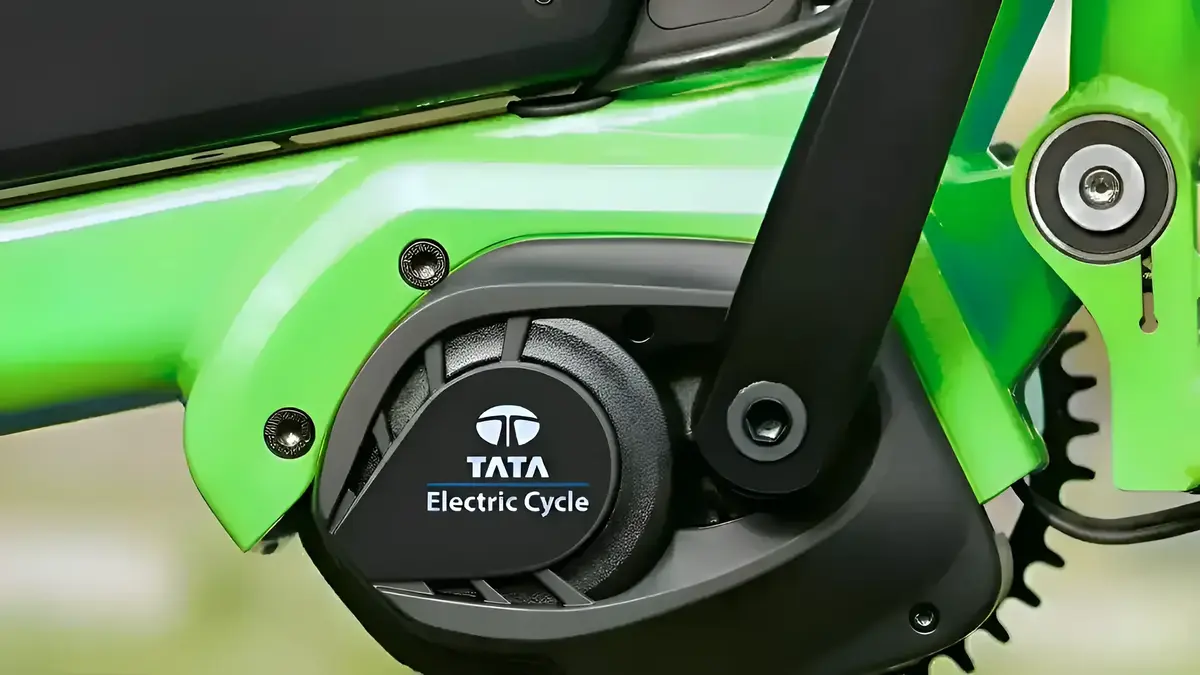
The concept of owning a high-quality electric cycle at the price of a mid-range smartphone sounds almost like science fiction. However, the Tata Electric Cycle 2026 is rapidly turning this dream into a potential reality, sparking massive conversations across digital platforms. With a rumored starting price of just ₹4,995 and a staggering battery range of up to 70 km, this upcoming launch is poised to be a monumental game-changer for Indian commuters. Let’s dive deep into why this cycle is the talk of the town and what it promises to deliver.
A Budget-Friendly Electric Ride
The primary catalyst behind the hype is, without a doubt, the affordability. By targeting a price point of ₹4,995, Tata is not just launching a product; they are democratizing electric mobility. In a country where the cost of living and fuel prices are constantly climbing, this entry-level price makes the transition to green energy accessible to everyone—from students on a tight budget to delivery partners looking to maximize their daily earnings. If Tata successfully delivers a functional, powered cycle at this cost, it will effectively disrupt the entire micro-mobility market in India.
Impressive Range for Daily Travel
For many potential EV buyers, “range anxiety” is the biggest hurdle. Tata appears to have tackled this head-on by aiming for a range of 70 km on a single charge. This is a significant figure for a cycle, as it covers the round-trip distance of most city-based commutes twice over. Whether you are navigating through suburban lanes or crossing city centers for work, this range ensures that users won’t be left stranded or forced to pedal a heavy frame without assistance halfway through their journey.
Simple Design Meets Practicality
The aesthetic philosophy of the Tata Electric Cycle 2026 is expected to be “function over flash.” Early reports suggest a minimalist, clean design built for the rigors of Indian roads. The focus is likely on a lightweight yet durable frame that provides an upright, ergonomic riding posture. This makes it inclusive for all age groups—from teenagers heading to tuition to senior citizens running local errands. Tata’s history of practical engineering suggests that every curve of the cycle will serve a purpose, ensuring comfort over long durations.
Battery and Charging Details
The heart of this machine is its lithium-ion battery pack. Reliability is key here, and Tata is expected to utilize high-grade cells that can withstand varied climatic conditions. The cycle is rumored to feature a charging time of 4 to 5 hours via a standard 5A home socket, meaning it can be topped up overnight just like a mobile phone. Furthermore, the inclusion of a removable battery would be a massive win for apartment dwellers, allowing them to carry the battery indoors for charging, bypassing the need for dedicated parking-lot infrastructure.
Features That Matter Daily
In an era where many EVs are cluttered with unnecessary gadgets that drive up costs, Tata is expected to stick to the essentials. Riders can likely look forward to:
-
Multiple Pedal Assist Modes: To choose between manual pedaling and electric boost.
-
LED Safety Lighting: For high visibility during early morning or late-night rides.
-
Intuitive Display: A simple interface showing speed and battery percentage.
-
Robust Braking System: Ensuring safety in unpredictable city traffic. These practical features ensure the cycle remains user-friendly for those who are not tech-savvy while keeping the maintenance costs remarkably low.
Ideal for City Commuters
Urban centers are increasingly becoming gridlocked. The Tata Electric Cycle 2026 offers a “cheat code” for city traffic, allowing riders to zip through narrow lanes and bypass long queues of cars and buses. Beyond the time saved, the financial benefits are immense. With a running cost that is a fraction of a petrol scooter, this cycle could potentially pay for itself within a few months of use. It represents a shift toward a more agile, stress-free way of navigating the modern “urban jungle.“
Eco-Friendly Mobility Choice
As environmental concerns become more pressing, the move toward zero-emission transport is no longer optional. This electric cycle consumes minimal electricity and produces no tailpipe emissions, making it a hero for the planet. For the eco-conscious rider, it’s a way to significantly reduce their carbon footprint without sacrificing the convenience of motorized transport. It’s a small vehicle that makes a large statement about sustainable living.
Tata Trust and Reliability
Perhaps the biggest USP of this product is the “Tata” badge. In a market flooded with unbranded or low-quality electric imports, the trust associated with the Tata Group is invaluable. Consumers know they are getting a product backed by rigorous testing and a robust service network. This peace of mind—knowing that spare parts and technical support will be available—makes the 2026 Electric Cycle a much safer investment than its competitors.
Expected Launch and Availability
While official confirmation is still pending, industry insiders suggest a 2026 rollout, starting with major metros before expanding to Tier-2 and Tier-3 cities. Tata is likely to leverage both physical dealerships and online platforms for sales. Given the expected demand, an online booking system might be the primary way for eager customers to secure their units early.
Final Word: 2026 Tata Electric Cycle
The Tata Electric Cycle 2026 is shaping up to be a landmark product in India’s EV journey. By combining an aggressive price point with practical features and the legendary Tata reliability, it has the potential to move millions of people onto a cleaner, cheaper, and more efficient mode of transport. If you’re looking for a smart, future-ready way to commute, this is definitely a ride worth waiting for.